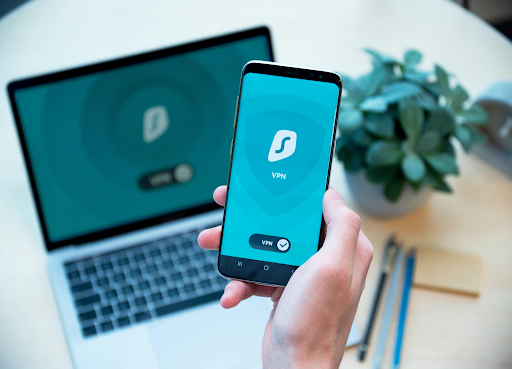
Banking & Finance: How VPNs Reduce Cyber Risks in Online Transactions
Online banking has made life easier. You can send money, pay bills, and shop online in minutes. You don’t have to stand in long queues at the bank anymore. Everything is just a few clicks away.
But with this comfort comes risk. Hackers are always looking for ways to steal personal and financial information. They use fake emails, dangerous links, and unsafe Wi-Fi networks to trick people. If your banking details fall into the wrong hands, it can cause serious problems. That’s why online safety is so important.
One simple tool that can help is a VPN.
So, what exactly is a VPN?
A VPN stands for Virtual Private Network. It protects your internet connection by hiding and locking your data. When you use a VPN, your information is turned into secret code. This code cannot easily be read by hackers.
According to VPNpro researchers, a VPN creates a secure path between your device and the website you are using. This means your banking details travel safely across the internet. Even if someone tries to spy on your connection, they will not understand the information.
How VPNs Protect Your Online Transactions
1. It Locks Your Information
When you log into your bank account, your username and password travel through the internet. Without protection, skilled hackers might try to steal that information.
A VPN locks your data before it leaves your device. Think of it like putting your money in a safe instead of carrying it in your hand. It adds strong protection.
2. It Keeps You Safe on Public Wi-Fi
Public Wi-Fi is convenient but risky. Many people use free Wi-Fi in cafes, malls, and airports. Hackers often target these networks because they are easier to break into.
If you use a VPN on public Wi-Fi, your data stays protected. This makes online banking much safer, even when you are not at home.
3. It Hides Your Location
Every device has an IP address. This can show your location. Hackers sometimes use this to track or target people.
A VPN hides your real IP address and replaces it with another one. This makes it harder for criminals to find you online.
Is a VPN Enough?
A VPN is powerful, but it is not magic. It is also still important for you to use strong passwords. Avoid clicking on suspicious links. Only use official banking apps and websites.
When you combine safe habits with a trusted VPN, you reduce your chances of becoming a victim of cybercrime.
Conclusion
Online banking is here to stay. It is fast and convenient, but it also comes with risks. Cybercriminals are always trying new tricks.
Using a VPN is a smart way to protect yourself. It locks your information, keeps you safe on public Wi-Fi, and hides your online identity. While no tool can give 100% protection, a VPN adds strong security and gives you peace of mind every time you make an online transaction.
 JOIN US