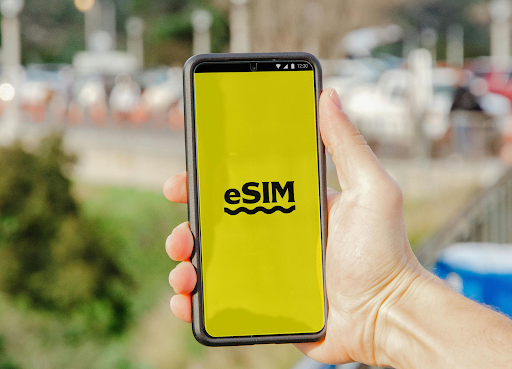
Safety & Security Tips When Buying and Using eSIMs Overseas
Traveling is about new experiences, whether it’s going to sunny beaches, busy cities, or endless selfies, it’s all about staying connected and safe to make your adventure smooth. eSIM technology is an easier way for travelers to create a digital connection without having to fumble with a physical SIM card. As with every digital technology, eSIM technology comes with its risks, and it’s important to ensure that you are safe, savvy, and still smiling as you travel.
Choose Trusted eSIM Providers
Imagine you are on the internet and are discovering random listings that are promising to give you cheap internet in different countries, do you think that’s a good idea? Well, it’s not. Never buy eSIM services from random sellers because you could end up with an invalid QR code that could steal your info or inject malware into your phone. Go for big trusted names that are always clear with their plans, prices, and coverage. Those sellers typically document their plans, prices, and coverage. Scammers always present deals that are too good to be true, so always be picky and careful. Your data security depends on it.
Protect Your Purchase
Here is the information you need to keep in mind when you are purchasing an eSIM:
- • If you see the padlock and the address starts with an eSIM provider, that’s a good indicator that the payment page is encrypted.
- • The payment pages will not have the same links as the sketchy emails that you have received.
- • Keep your QR code or activation code private, think of it like your bank PIN!
Activate on a Secure Network
Wait to install your eSIM until you’re on a secure network, like a hotel or private Wi-Fi, as opposed to a public network, which is very dangerous. Public networks, such as those at cafes or airports, are an easy target for hackers.
Lock Down Your Phone
Since your phone holds a lot of private information, make sure to secure your phone. Use a strong password or PIN, fingerprint, or face ID to keep unwanted access to your phone at a minimum. Security updates keep you safe from people using your phone to hack into your information. An updated and locked phone is defensive. Your eSIM and accounts are safe.
Use a VPN, Your Online Shield
Make sure a VPN (Virtual Private Network) is active anytime you’re connected to a network. Use a reputable VPN, as opposed to a free one, which may sell your info to make a profit. A VPN makes your internet connection use a secure, private tunnel, which helps to eavesdrop proof the information you send and receive.
Enable Two-Factor Authentication (2FA)
Passwords alone aren’t enough. Add 2FA to your important accounts, that second step (like a code from an authenticator app) blocks unauthorized access even if someone guesses your password. This is especially key for accounts tied to your phone number or email.
Monitor Your Data Use
Keep an eye on your data activity. Strange spikes might mean an app is up to no good, or your profile is being misused. Most phones let you see which apps are using data, check this regularly and remove anything fishy.
Prepare for the Unexpected
If your phone is lost or stolen abroad, make sure features like Find My Device are turned on. This lets you remotely wipe your phone and lock your eSIM, so nobody can get at your personal data or accounts.
Conclusion
Traveling with an eSIM is convenient and often safer than juggling physical SIM cards, as long as you take a few common-sense precautions. Stay alert, protect your device, and enjoy the freedom of roaming without worry.
For more insights on reliable eSIM options and help choosing the best provider in the UK, check out https://cybernews.com/best-esim-providers/united-kingdom/
 JOIN US